

BLOG >
Rainwater Tank Installation in Lismore: Is It Worth It?


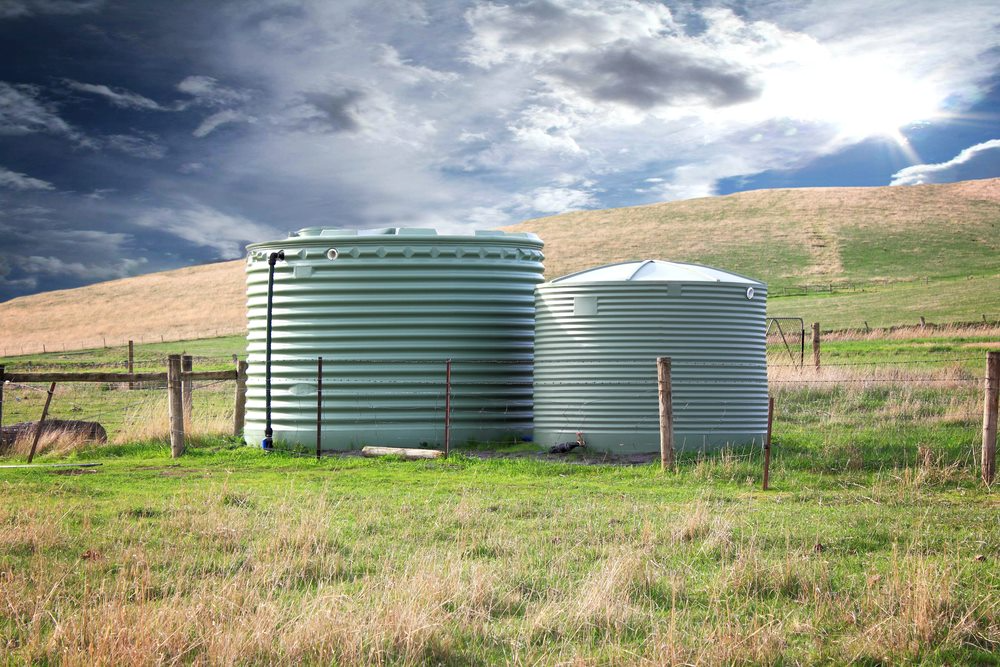
Water bills climb every year, and Lismore's climate swings between drenching wet seasons and long dry stretches. For many homeowners, that combination raises an obvious question: does capturing what falls on your roof actually pay off? Weighing up a rainwater tank in Lismore means looking past the sticker price to how the system fits your block, your household and the local rules that govern it.
What Rainwater Tank Installation Really Costs
The price of a tank varies far more than most people expect. A slimline poly unit tucked beside the house sits at the affordable end, while a large below-ground concrete tank with pumps and filtration runs into the thousands. Labour, plumbing connections and site preparation all add to the figure, so the tank itself is only part of the story.
The upfront figure depends on several factors worth understanding before you commit, including:
- Tank material and capacity, which drive both purchase price and longevity.
- Site access and excavation needs, especially for buried tanks on tight blocks.
- Pump and filtration requirements, which rise sharply once you plumb water indoors.
Knowing these variables early helps you budget without nasty surprises.
Which Household Uses Deliver the Best Return
Not every tap benefits equally from tank water. The applications that draw large, steady volumes are where savings stack up quickest, because they offset mains water you would otherwise pay for. Matching your tank to the right end uses turns it from a feel-good purchase into a genuine money saver.
Certain household applications tend to justify the outlay faster than others, particularly:
- Toilet flushing, which runs constantly and suits non-drinking water perfectly.
- Garden and lawn irrigation, a heavy summer demand mains water charges dearly for.
- Laundry supply, where cold-water washing loads add up across the week.
Prioritising these uses shortens the time it takes to see real value.
Above-Ground Versus Below-Ground Options
The choice between above-ground and below-ground rainwater tanks comes down to space, budget and how much you value your yard. Above-ground tanks cost less and are simpler to install and inspect. Buried tanks free up surface area and stay cooler, but demand excavation and a bigger outlay. Neither is automatically better.
Each configuration suits a different situation, which is why it helps to weigh up:
- Available yard space, since above-ground tanks claim a visible footprint.
- Budget headroom, as excavation and pumps push below-ground costs higher.
- Access for cleaning, which stays simpler on above-ground units.
A quick site assessment usually makes the sensible option clear.
What Lismore Council Expects from You
Local rules shape what you can install and where. Installing a rainwater tank in Lismore may trigger requirements around placement, overflow management and, in some cases, development approval for larger or below-ground systems. Getting across these expectations before you buy avoids costly rework and keeps your project moving.
Before any work begins, a few local requirements deserve a close look, namely:
- Setback rules that govern how close a tank sits to boundaries.
- Overflow and stormwater management, which must direct excess water safely.
- Approval thresholds that apply once tanks reach a certain size or go underground.
Checking these details early keeps your installation compliant from day one.
Meeting NSW Plumbing Connection Rules
Once tank water feeds indoor fixtures, the job stops being a DIY project. NSW regulations require licensed work for connections to toilets, laundries and any point where cross-contamination with drinking water is a risk. A qualified plumber in Lismore ensures backflow prevention, correct switching between tank and mains and compliant pipework throughout.
Connecting a tank to indoor plumbing brings obligations that catch many owners off guard, such as:
- Licensed installation of any connection to internal fixtures and appliances.
- Backflow prevention that protects the mains supply from contamination.
- Automatic mains switching so taps keep running when the tank runs dry.
Meeting these rules protects both your household and your certificate of compliance.
Working Out a Realistic Payback Period
Payback is where enthusiasm meets arithmetic. A tank saves money only when it consistently offsets mains water, so your rainfall, roof area and household demand all feed into the sum. Beyond the dollars, the environmental benefits of rainwater harvesting with gutter systems add value that never shows on a bill, from reduced stormwater runoff to lighter pressure on town supply during dry spells.
Working out when the system pays for itself means accounting for:
- Annual rainfall captured, which depends on roof size and local weather patterns.
- Water prices, since rising mains costs shorten the payback window each year.
- Household consumption, as bigger, thirstier homes recover the investment faster.
Realistic figures beat optimistic guesses when you are planning a long-term system.
How Soil & Site Conditions Affect the Job
The ground beneath your feet can complicate an otherwise straightforward install. Reactive clay soils, common across parts of the Northern Rivers, shift with moisture and demand proper base preparation to stop tanks cracking or tilting. Below-ground installs face added challenges where water tables sit high or rock lies close to the surface.
Ground conditions on your property can quietly reshape the scope of the job through:
- Soil reactivity, which dictates the type of base a tank needs to sit on.
- Water table depth, a decisive factor for any buried tank installation.
- Rock or fill on site, both of which slow and complicate excavation work.
A proper inspection catches these issues before they become expensive surprises.
What Sets a Compliant Installation Apart
A tank that looks fine can still underperform or breach regulations if the details are wrong. Correct guttering, adequate first-flush diversion and properly sized pumps separate a system that quietly does its job from one that clogs, leaks or fails inspection. Compliance is not red tape; it keeps your water clean and your investment sound.
Reliable performance over the years usually comes down to a handful of technical details, including:
- Clean gutter and inlet design that keeps debris out of the tank.
- First-flush diversion that discards the dirtiest initial runoff after dry spells.
- Correctly sized pumps and filters matched to your household's actual demand.
Attention to these details is what turns a tank into a dependable water source.
Water Security That Suits the Northern Rivers
We at Mid Richmond Plumbers & Suppliers have installed and connected tanks across Lismore and the wider Northern Rivers for years, so we understand how local soils, council rules and rainfall patterns play out in practice. If you are weighing up a rainwater tank in Lismore, we can assess your block, recommend the right system and handle the licensed connections that keep it compliant. Get in touch to book a site visit or talk through your options, and we will help you decide whether a tank makes sense for your home.


